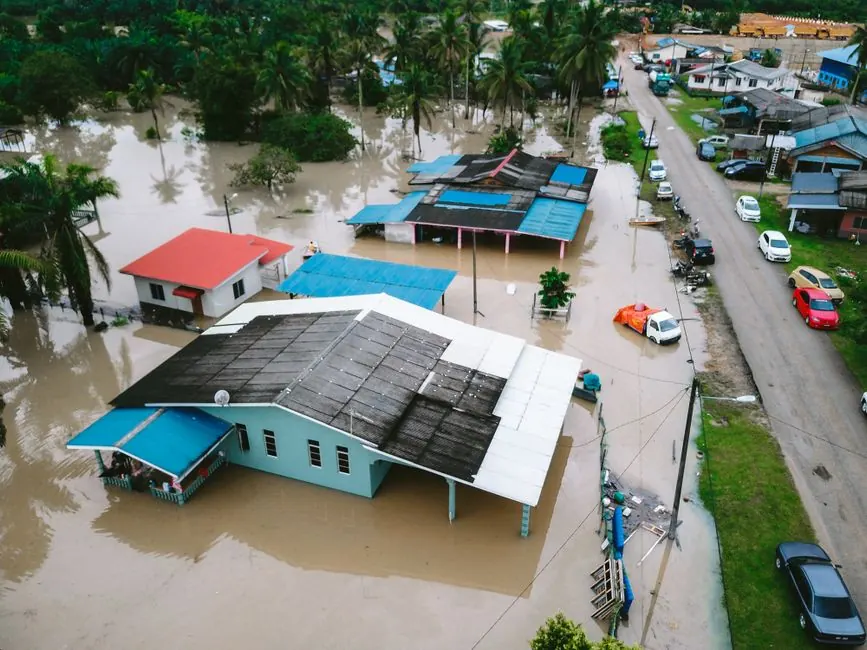
Flood damage can be devastating for homeowners in Fountain Hills. Understanding what to look for during flood damage repair is crucial for effective restoration. This guide will cover essential tips, best practices, and common mistakes to avoid when assessing and repairing flood damage in your home.
Understanding Flood Damage
Flood damage can occur due to heavy rainfall, burst pipes, or even nearby construction activities that disrupt natural drainage. In Fountain Hills, the unique terrain can exacerbate flooding issues, particularly in areas prone to runoff. Recognizing the types of flood damage is the first step in the repair process.
- Surface Water Damage: This occurs when water accumulates on floors and carpets, leading to immediate concerns.
- Structural Damage: Prolonged exposure to water can weaken walls, ceilings, and foundations.
- Mold Growth: Moist environments can lead to mold, which poses health risks and requires remediation.
What to Check for Flood Damage
After a flood, it's essential to assess the damage thoroughly. Here are key areas to inspect:
- Basement and Crawl Spaces: Check for standing water and moisture levels. If flooded, consider basement flooding solutions in Fountain Hills.
- Walls and Ceilings: Look for discoloration, peeling paint, or bulging drywall, which indicate water intrusion.
- Electrical Systems: Inspect outlets and wiring for water exposure, which can create fire hazards.
- HVAC Systems: Ensure that your heating and cooling systems are free from water damage to maintain air quality.
Best Flood Repair Practices in Fountain Hills
Implementing effective flood damage repair tips in Fountain Hills can save you time and money. Here are some best practices:
- Act Quickly: The sooner you address water damage, the less extensive the repairs will be.
- Document Everything: Take photos of the damage for insurance claims and future reference.
- Use Professional Help: Engage experts for flood damage repair in Fountain Hills to ensure thorough restoration.
- Prevent Future Damage: Consider installing sump pumps and improving drainage systems to mitigate future risks.
Common Mistakes to Avoid
When dealing with flood damage repair, avoiding common pitfalls is crucial:
- Ignoring Water Damage: Failing to address moisture can lead to mold growth and structural issues.
- Delaying Repairs: Time is of the essence; delays can worsen damage and increase repair costs.
- DIY Repairs: Attempting to fix severe damage without expertise can lead to further complications.
When to Call a Professional
If the flood damage is extensive or involves hazardous materials like sewage, it's time to call a professional. Fountain Hills Water Damage Experts are equipped to handle emergencies and provide comprehensive water damage restoration services in Fountain Hills. Their expertise ensures that your home is restored safely and effectively.
Frequently Asked Questions
What should I look for when repairing flood damage in Fountain Hills?
Look for signs of water intrusion such as discoloration on walls, standing water, and mold growth. Inspect your electrical systems and HVAC units for water exposure, as these can pose significant risks.
How can I prevent further damage after a flood in Fountain Hills?
Act quickly to remove water and dry affected areas. Use dehumidifiers and fans to aid in drying, and consider professional services for thorough restoration, such as dehumidification services in Fountain Hills.
What are the costs associated with flood damage repair?
Costs for flood damage repair in Fountain Hills can vary widely based on the extent of the damage. Typical expenses range from a few hundred dollars for minor repairs to several thousand for extensive restoration.
Is it necessary to hire professionals for flood damage repair?
While some minor repairs can be handled DIY, hiring professionals ensures that all aspects of the damage are addressed, particularly in complex situations involving structural integrity or mold.
What insurance coverage is available for flood damage?
Homeowners' insurance may not cover flood damage unless you have a specific flood policy. Check with your insurance provider to understand your coverage options.